

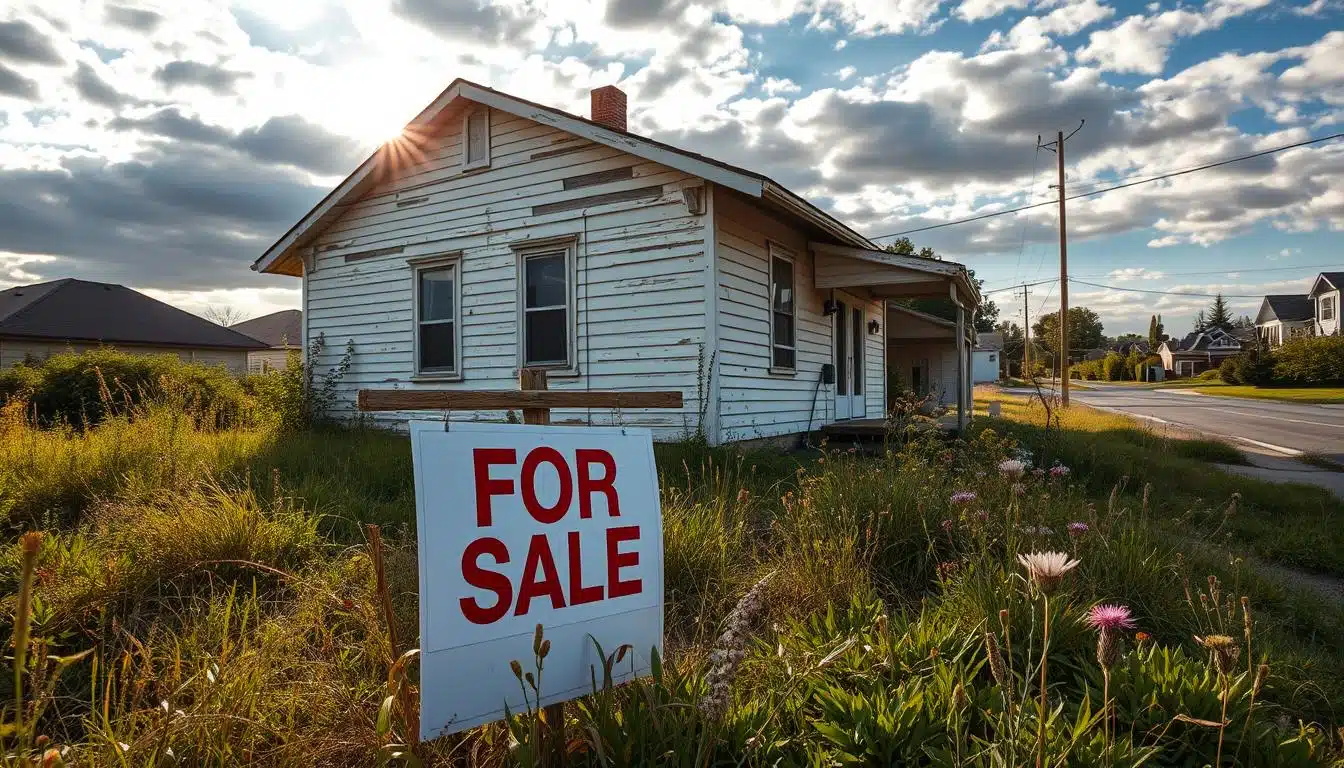
Selling a home as-is means the seller doesn’t promise anything about the property’s condition. The buyer gets the home just as it is. This option is great for homeowners who don’t want to spend money on repairs before selling.
But, as-is homes usually sell for less than homes that are ready to move into. Knowing the good and bad of selling as-is can make the process easier and more profitable.
Key Takeaways
- Selling a house as-is means the buyer accepts the property in its current condition, with no repairs or improvements made by the seller.
- As-is sales can be a good option for homeowners who lack the time, funds, or desire to renovate before listing their property.
- As-is homes typically sell for lower prices than those that have been updated, but the price difference can vary based on factors like market conditions and property location.
- Disclosing all known issues with the home is critical to avoid legal problems, even in an as-is sale.
- Pricing the as-is home correctly and considering high-ROI projects can help maximize the selling price.
What Does It Mean to Sell a House As-Is?
When a homeowner sells their house “as-is,” they offer it in its current state. They don’t promise any repairs or upgrades. The buyer gets the house as it is, with all its problems.
Defining the Term “As-Is”
An “as-is” sale is different from a regular home sale. In a regular sale, sellers often fix things up before selling. But in an as-is sale, the buyer takes on all risks. This can save sellers a lot of money.
No Guarantees or Representations
Selling a house “as-is” means the seller doesn’t promise anything about the property. Buyers must do their own checks, like inspections, before making an offer. This way, the buyer knows what they’re getting into.
Buyer Accepts the Property’s Condition
Buying an “as-is” home means the buyer accepts it as is. This is different from a regular sale, where sellers might fix things or give in to buyer demands. In an as-is sale, the buyer pays for any fixes needed.
It’s important for sellers and buyers to understand what “as-is” means. It means the buyer is fully responsible for the house’s condition. They must do their own research and accept the house as it is. This can save sellers money but might mean a lower sale price.
My Experience Selling a House As-Is
After my father passed away, I chose to sell his home as-is. The 1963 French Provincial-style house needed updates. But, I hoped its large 3-acre lot and peaceful location would attract buyers.
I listed the home for $650,000. An initial offer was $600,000, which I countered at $625,000. Buyers asked about possible issues, hinting at a lower price. I stuck to the as-is terms, and after negotiations, the deal was sealed.
The sale took four months for a serious offer. After closing, costs and fees left me with a small profit. Selling as-is might have scared off some buyers, making the sale longer.
Despite the challenges of an as-is home sale, I successfully negotiated. My story shows the value of clear communication and setting expectations with buyers.
Common Reasons to Sell a House As-Is
Some homeowners decide to sell their house “as-is.” This choice is often due to financial, time, and convenience factors.
Financial Reasons
Fixing up a house can cost a lot. Sellers might sell it as-is to save money. The median sales price in California is $886,560 (July 2024). The real estate transfer taxes can be from $0.55/$500 (.11%) to $75-$225 for the recording fee. This way, sellers keep more of their sale profits.
Time Constraints
Some sellers must move fast, maybe for a new job or other reasons. An as-is sale is quick, skipping the renovation delays. The average days on market for California is just 20 days (July 2024). This makes an as-is sale great for those in a hurry.
Convenience
Convenience is a big reason for choosing an as-is sale. It’s perfect for those who’ve inherited a home or are getting divorced. They don’t want the trouble of getting the house ready for sale. Types of homes sold as-is in California include those from the 1970s or later, or homes of older baby boomers with maintenance issues.
Pros and Cons of Selling a House As-Is
Selling a house as-is has its ups and downs. Knowing these can help sellers decide if it’s the right choice for them.
Advantages of Selling a House As-Is
- Avoid the costs of repairs and renovations: Sellers save money by not fixing up the home, keeping more of the sale price.
- Faster selling process: As-is sales are quicker, with less time spent on negotiations over repairs.
- Smoother closing: Without repair contingencies, closings can happen faster.
- Attract cash buyers: Investors and those looking for a fixer-upper often pay cash, making the sale faster.
Disadvantages of Selling a House As-Is
- Lower selling price: As-is homes sell for less, as buyers factor in repair costs.
- Smaller buyer pool: Some buyers want homes ready to move into, reducing interest in as-is homes.
- Financing challenges: Buyers may struggle to get loans for as-is homes, as lenders have standards.
Deciding to sell a house as-is needs careful thought. Weighing the pros and cons helps sellers see if it fits their needs and budget.
“Selling a home as-is can be a smart move, but it’s key to understand how it affects price and interest. Homeowners should talk to a real estate expert to find the best way for their situation.”
Tips for Selling a House As-Is Successfully
When selling a house as-is, being open is essential. Tell buyers about the property’s condition right away. Mention in the listing and agreement that the home is sold as-is, with no repairs by the seller. A pre-listing home inspection report can also help set expectations.
Be Upfront About the Home’s Condition
Even with an as-is sale, sellers must disclose known defects. Not telling buyers about problems can lead to legal trouble. Working with a skilled real estate agent can guide you through these steps and help sell your home successfully.
Remember Seller’s Disclosures
Telling buyers about the home’s condition and any issues can manage their expectations. This honesty can prevent surprises and show your commitment to a fair deal. It also builds trust with buyers.
“The key to successfully selling a house as-is is to be completely upfront about the property’s condition from the start. This allows buyers to make an informed decision and avoids any legal complications later on.”
By following the best practices for as-is home sales, like honest disclosure and clear communication, sellers can have a smooth process. This approach helps achieve a positive outcome.
Pricing Your As-Is Home Correctly
When selling a home “as-is,” finding the right price is key. Homeowners can’t just use online estimates or price it like a new home. They need to look at the home’s condition and the repair costs buyers will face.
It’s smart to work with a seasoned real estate agent. They can do a detailed market analysis. This analysis looks at similar homes sold recently, taking into account location, size, and repair costs. This way, sellers can avoid setting a price that’s too high or too low.
Setting a price that’s too low can mean losing out on thousands of dollars. On the other hand, a price that’s too high might scare off buyers. Experts say that homes priced fairly can attract more offers. Buyers see the real value and are eager to bid.
| Pricing Scenario | Average Days on Market | Percentage of Original List Price |
|---|---|---|
| Homes with 3+ price reductions | 146 days | 88% |
| Homes with no price reductions | 40 days | 99% |
Automated value estimators can give a rough idea of a home’s worth. But they don’t get the unique aspects of an as-is home. Real estate agents, with their deep knowledge of the local market, can set a price that draws in serious buyers and gets the best deal for the seller.
“Pricing a remodeled home slightly lower than the desired price can lead to bidding wars and higher offers from buyers. In a seller’s market, pricing a home above market value could be supported, even when interest rates are low.”
By carefully figuring out the as-is home value and setting the right price, sellers can avoid common mistakes. This ensures a successful sale.

Considering High-ROI Projects Before Listing
When selling a home “as-is,” finding the right balance is key. You want to avoid big renovations but also make smart improvements. These upgrades should boost the home’s value without spending too much.
Experts say to pick projects that increase the resale price. Aim for a return on investment (ROI) of at least one-to-one. Improving curb appeal, doing a deep clean, and painting with neutral tones are good starts. These small changes can attract buyers without changing the “as-is” sale status.
The 2024 Cost vs. Value Report by Zonda highlights top home upgrades. Here are a few:
- Garage door replacement (194% ROI)
- Steel door replacement (188% ROI)
- Manufactured stone veneer (153% ROI)
By choosing cost-effective home improvements for as-is sale, you can get your home ready for sale. This way, you can maximize the return on investment before listing.
Providing Mandatory Disclosures
When selling a home “as-is,” you must know that you’re not off the hook for disclosing defects. Most states have home seller disclosure requirements. These rules tell homeowners what to share with buyers, even if the sale is as-is.
These disclosures often talk about health and safety issues. For example, they might mention lead-based paint or asbestos. Not telling buyers about known problems can lead to legal liability after the sale. A real estate agent who knows the as-is home sale disclosure laws in your state can help you follow these rules.
- Disclosures might include info on past repairs, foundation problems, electrical or plumbing issues, and water damage.
- Sellers might also have to say if certain appliances are included or if there are termites.
- In some places, sellers must tell buyers if the property is in a high-risk area for disasters like earthquakes or floods.
Not following home seller disclosure requirements can lead to big problems. If buyers find out about hidden issues, they might cancel the deal. They could also sue for damages or fees. Being open about your home’s condition is important when selling as-is to avoid liability for failing to disclose known defects.
“Disclosure is critical when selling a home as-is. Sellers must be upfront about the property’s condition to protect themselves legally.”
Selling a House As-Is By Owner
Many homeowners sell their homes as-is without a real estate agent. This means they handle everything from pricing to closing on their own. Selling this way can save on agent fees but requires more effort from the seller.
It’s important to price the home right and be open about any issues. About 7% of homeowners in 2023 sold their homes this way. In California, over half of these sellers already knew the buyer.
Agent fees in California can be 3% to 6% of the sale price. This makes selling on your own appealing. Yet, homes sold without an agent might take longer to sell and often fetch lower prices.
In California, sellers don’t have to fix up their homes before selling. They must disclose any known problems, though. This ensures buyers know what they’re getting into.
Selling a house as-is requires a lot of work. It’s about pricing, marketing, and being transparent. Homeowners should weigh the pros and cons before deciding if this route is right for them.
Preparing and Marketing Your As-Is Home
Selling a house as-is requires smart steps to get it ready and market it well. You can make the home more appealing without big renovations. This increases your chances of selling it successfully.
Start with deep cleaning, decluttering, and small cosmetic fixes. These can include painting, landscaping, and making the exterior look good. These efforts can make a big difference in how buyers see the home.
High-quality photos are key when selling a home as-is. Use professional photos or make sure your online images are clear and show the home’s true condition. Bad photos can scare off buyers and hurt your listing’s appeal.
Don’t just list your home online. Try other marketing strategies too. Open houses, social media, and word of mouth can help you reach more buyers. The more people see your listing, the better your chances of selling.
Selling a home as-is needs careful preparation and smart marketing. Show the home in its best light and use different ways to promote it. This way, you can sell your home quickly and successfully.
“Proper preparation and effective marketing are the keys to success when selling a home as-is. With the right approach, you can showcase the property’s best features and attract the right buyer.”
Conclusion
Selling a house as-is can be a good choice for homeowners. It helps avoid the cost and time of big repairs before selling. By telling buyers about the home’s condition, setting the right price, and following the law, you can sell as-is successfully. As-is homes might sell for less, but the process can be quicker and less stressful.
Using smart marketing and focusing on improvements that bring the most value can make your as-is sale go well. With new rules coming in 2024 that might cut real estate commissions, selling by owner could become even more appealing. It lets homeowners keep more of their profit and control the sale.
Whether you’re selling for money, time, or the ease of an as-is sale, knowing the good and bad points helps. Following the tips in this guide can make your as-is home sale a success. Focus on being open, pricing right, and following the law. This way, you can sell with confidence and get what you want.








Leave a Reply